SpeciesMapInstagramRSS

toddhiestand.birds

A Journal of Birds in the Portland Metro area and the Pacific Northwest

May 2026
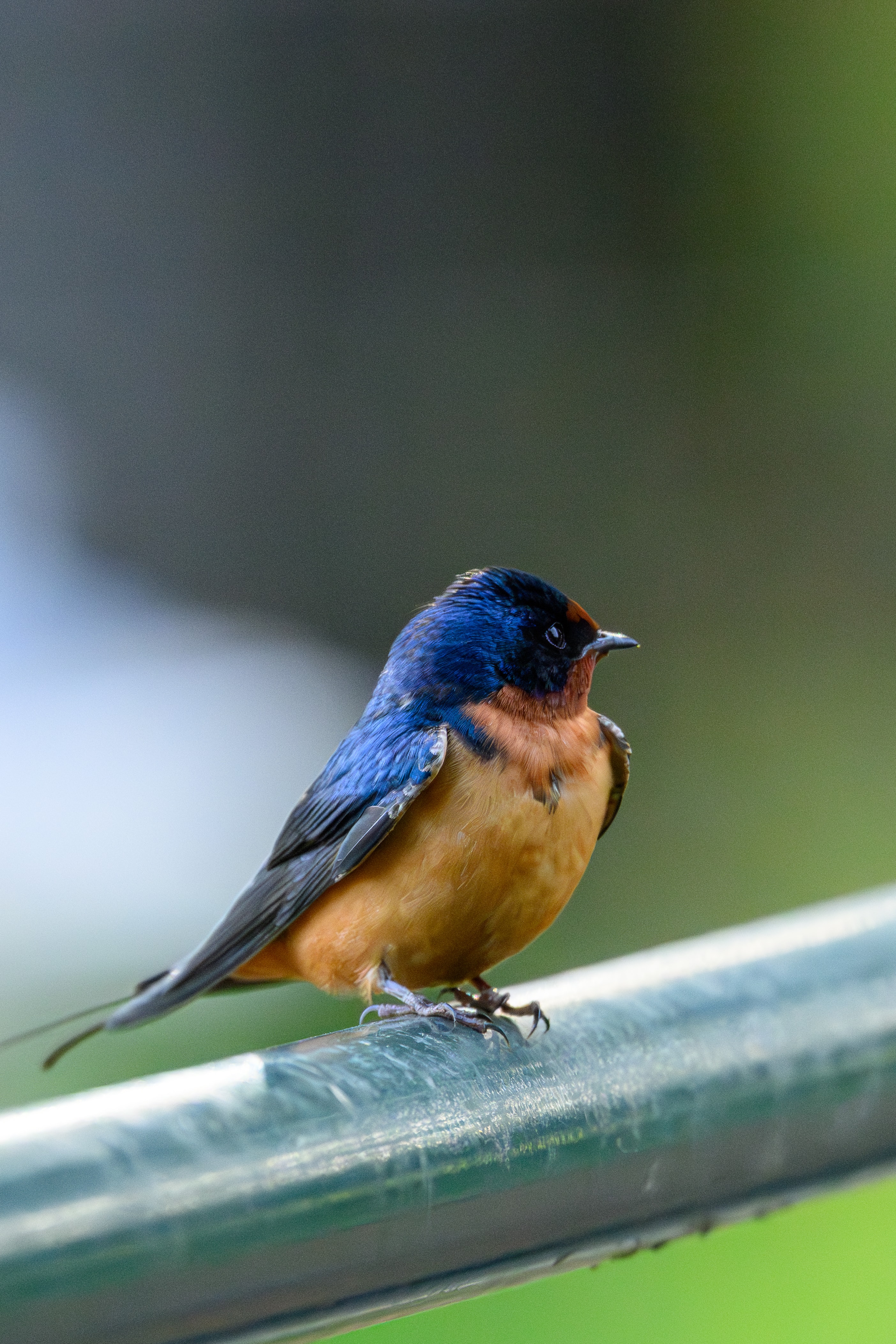
Barn Swallow

Barn Swallow

Hirundo rustica

This blue and tan fella was hard to pin down for a shot. Him and his buddies are in constant flight and only perched for a few seconds.

AI Insight: Barn Swallows almost exclusively nest on human structures now — barns, bridges, eaves, culverts. Before European settlement they nested in caves and on cliffs. They essentially co-evolved with us, following human construction across continents.

Nikon Z8 · 180-600mm @ 600mm · 1/2500 · f/6.3 · ISO 6400

Oregon City, Oregon
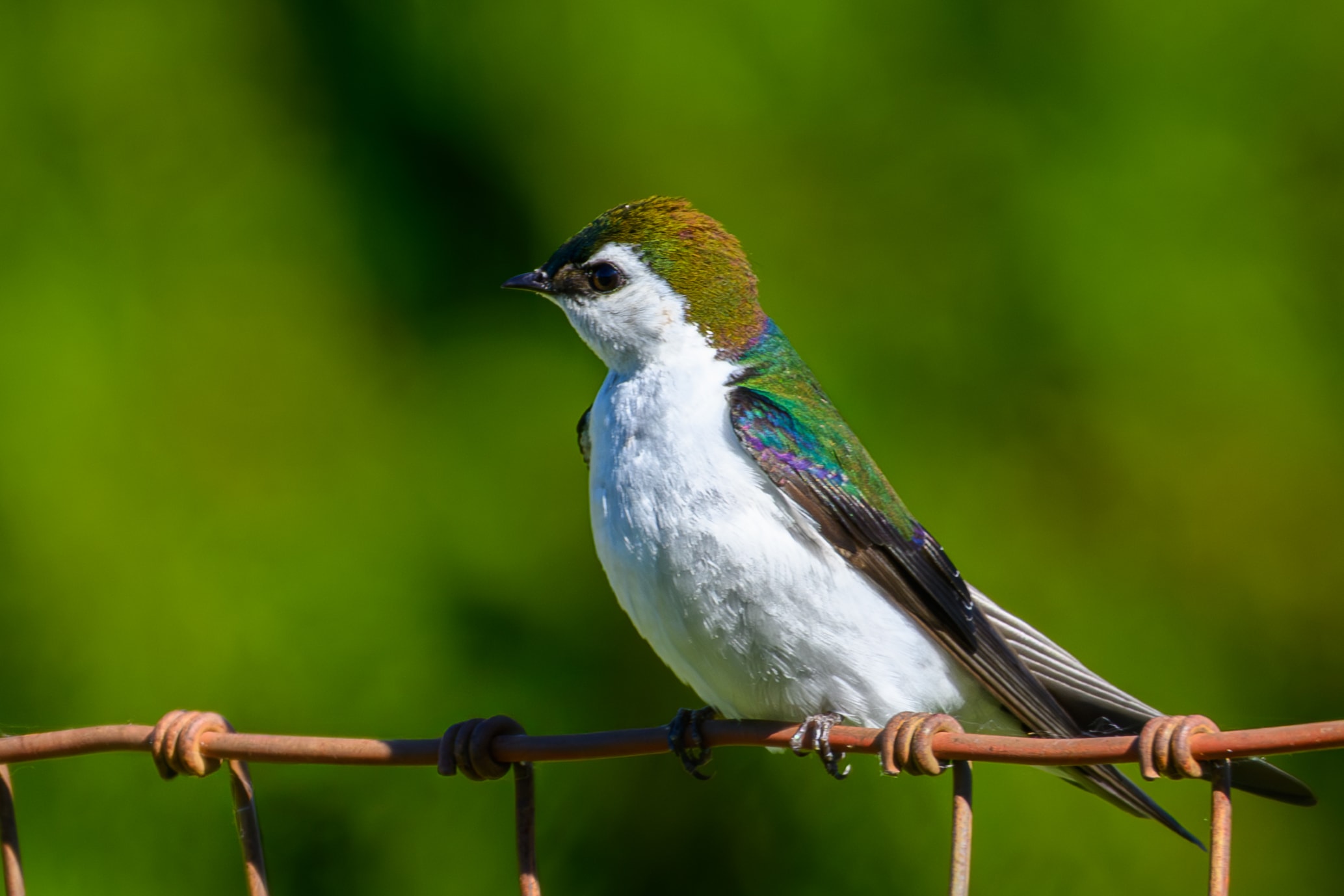
Violet-green Swallow

Violet-green Swallow

Tachycineta thalassina

I noticed a cool looking new bird on our property while drinking my morning coffee.

AI Insight: Violet-green Swallows can't make their own nest holes, so they rely entirely on what woodpeckers leave behind or what humans provide. A cavity like this one is the whole reason the species can breed here.

Nikon Z8 · 180-600mm @ 600mm · 1/500 · f/6.3 · ISO 360

Oregon City, Oregon
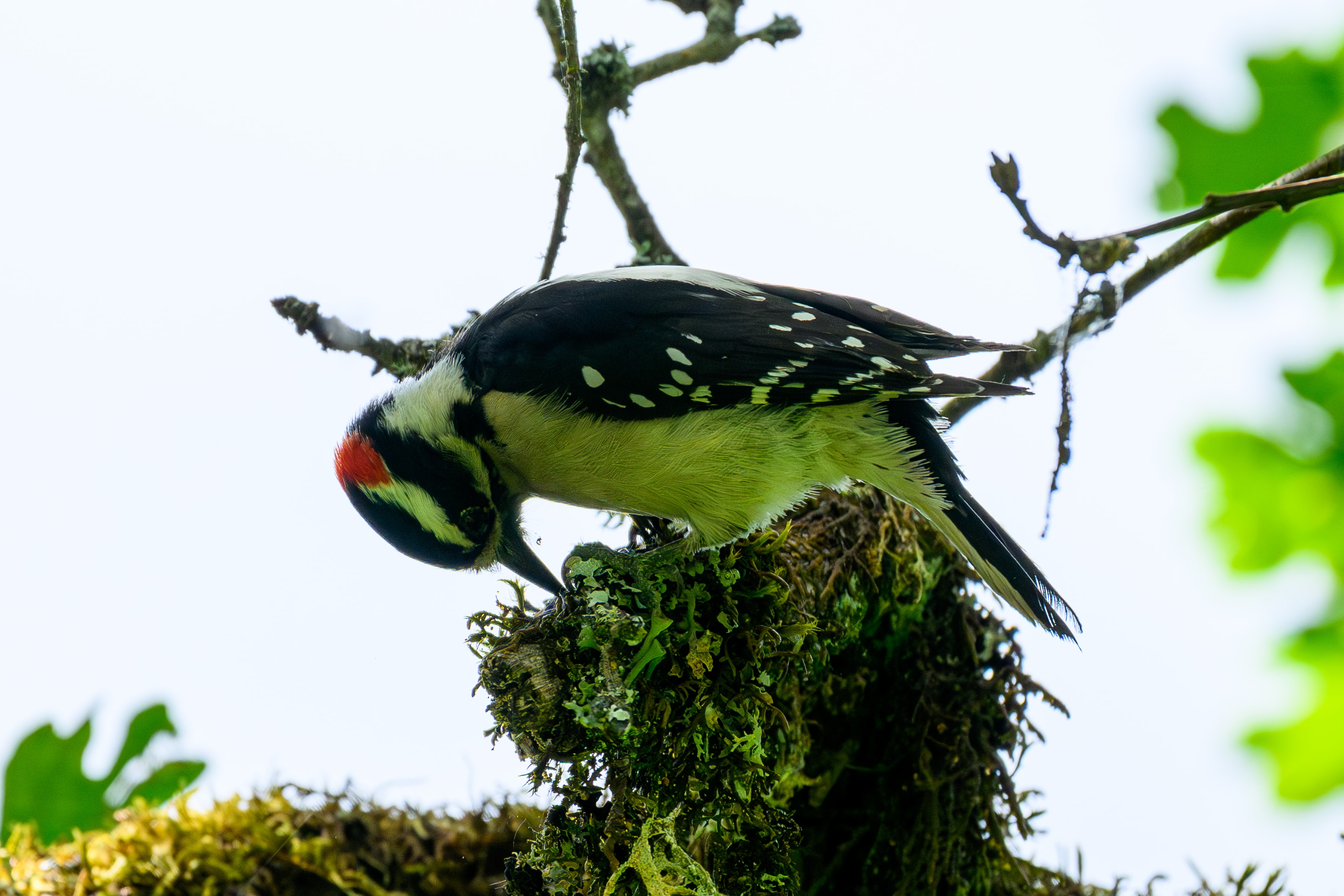
Downy Woodpecker

Downy Woodpecker

Dryobates pubescens

This guy was super active and hard to get a good shot of, but I got him looking for food.

this is the smallest woodpecker in North America and the red patch on the back of the head means he's a male.

Nikon Z8 · 180-600mm @ 600mm · 1/2000 · f/6.3 · ISO 720

Canemah Bluff, Oregon City
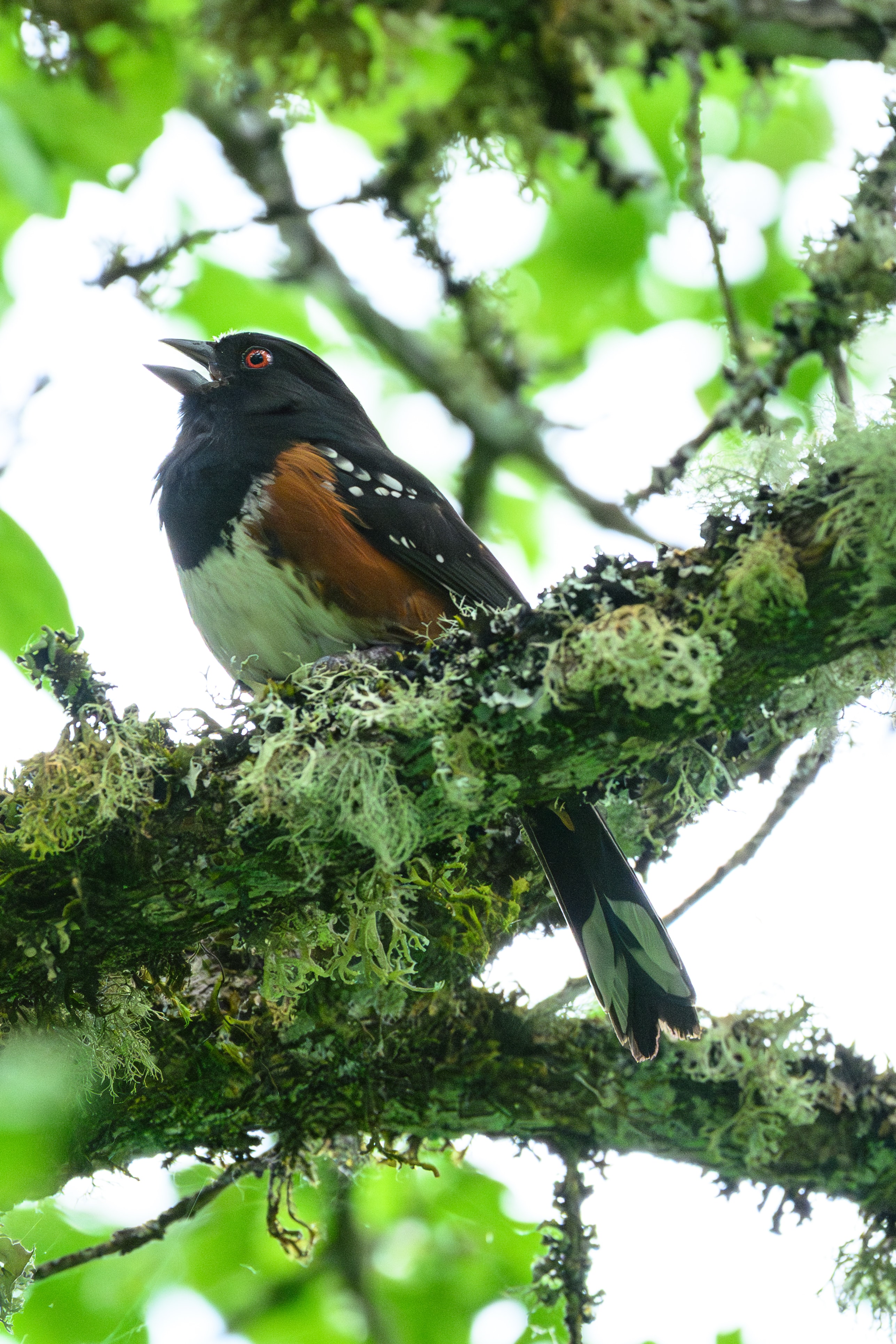
Spotted Towhee+1

Spotted Towhee

Pipilo maculatus

Was able to catch a shot of this dude in the middle of singing.

Males perch up high in spring to claim territory. They forage by jumping forward and kicking backward with both feet at the same time, scraping leaf litter aside to expose insects and seeds. The motion is so distinctive you can identify a towhee in the underbrush by sound alone.

Nikon Z8 · 180-600mm @ 600mm · 1/2000 · f/6.3 · ISO 1400

Canemah Bluff, Oregon City
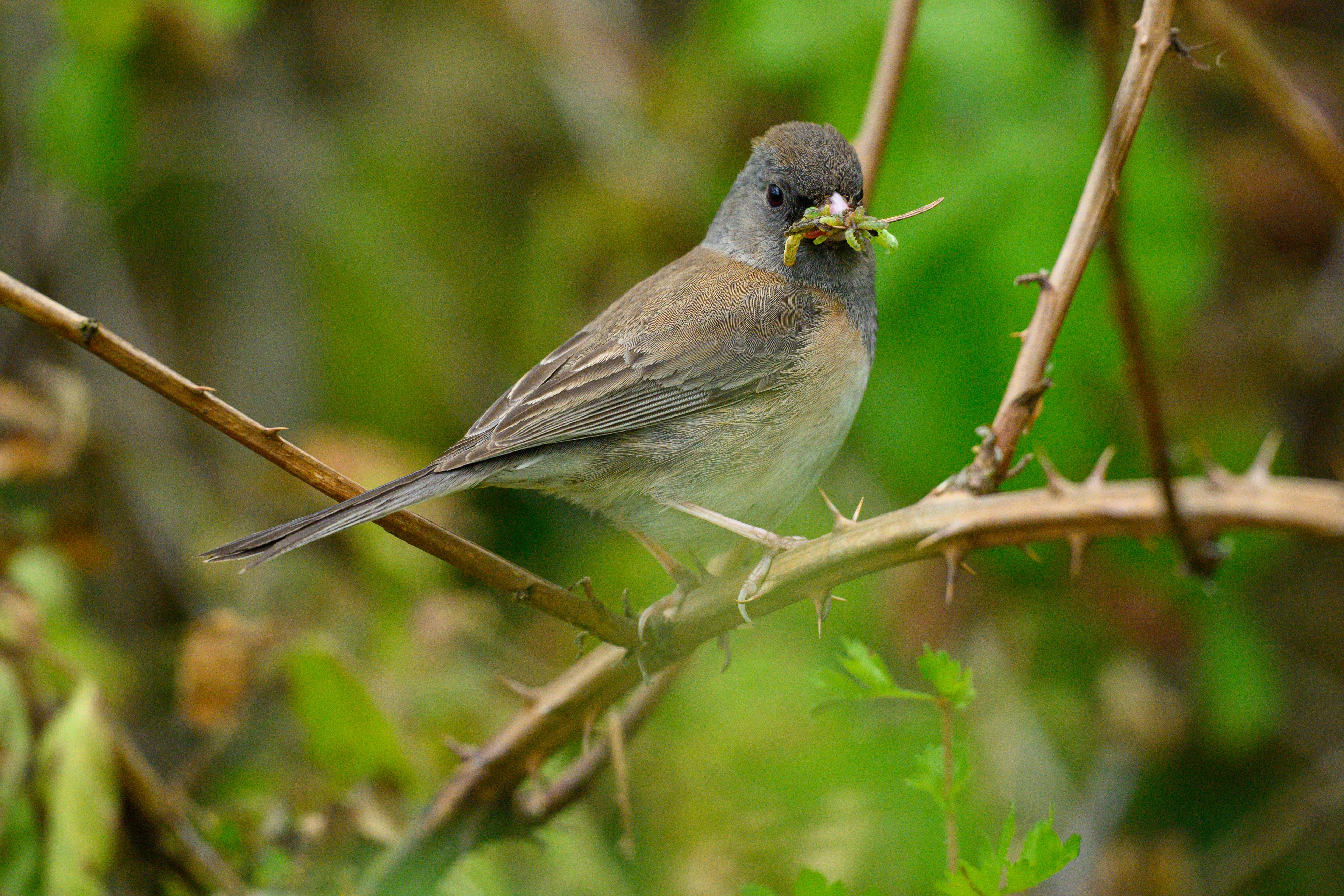
Dark-eyed Junco

Dark-eyed Junco

Junco hyemalis

This guy was kind enough to make good eye contact.

This is likely mom hauling caterpillars back to the nest. Apparently a single brood can eat hundreds of these over 10-12 days.

Nikon Z8 · 180-600mm @ 600mm · 1/2000 · f/6.3 · ISO 6400

Canemah Bluff, Oregon City
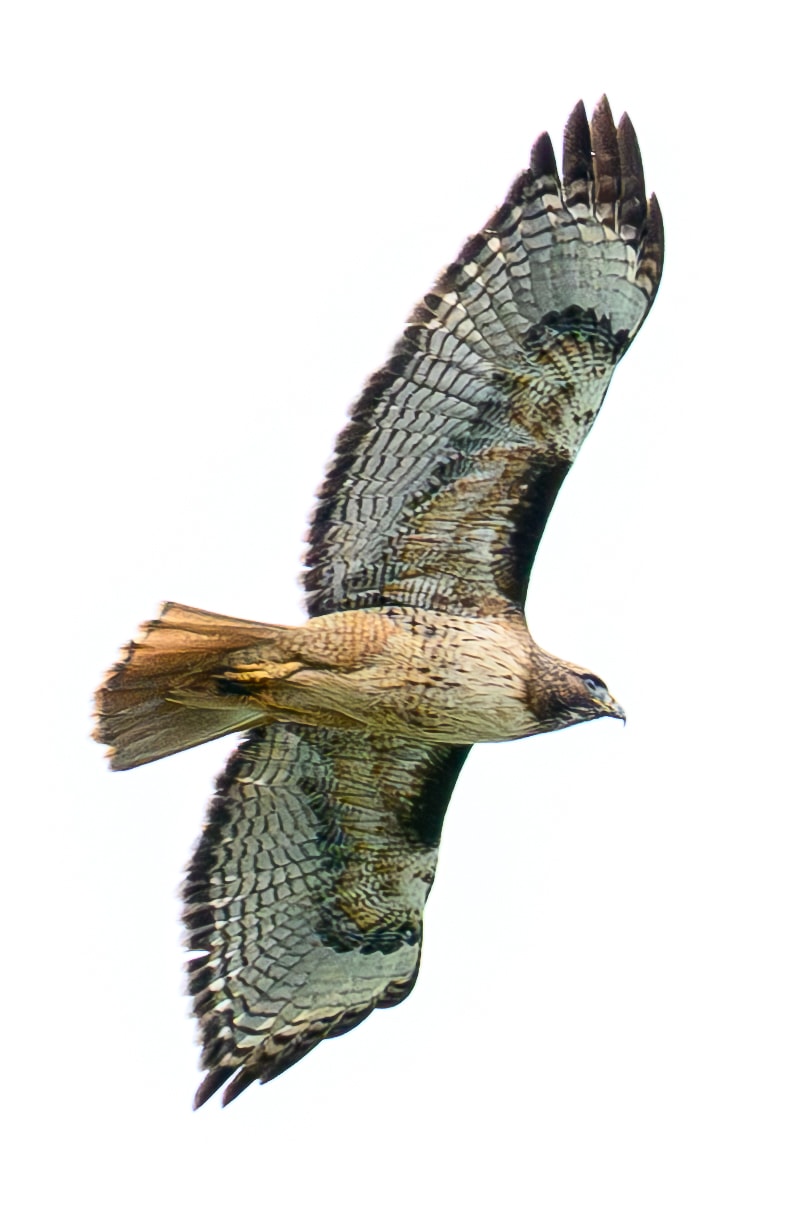
Red-tailed Hawk+2

Red-tailed Hawk

Buteo jamaicensis

Most common hawk in North America, also most likely to kill our chickens.

Nikon Z8 · 180-600mm @ 520mm · 1/1250 · f/7.1 · ISO 180

Oregon City
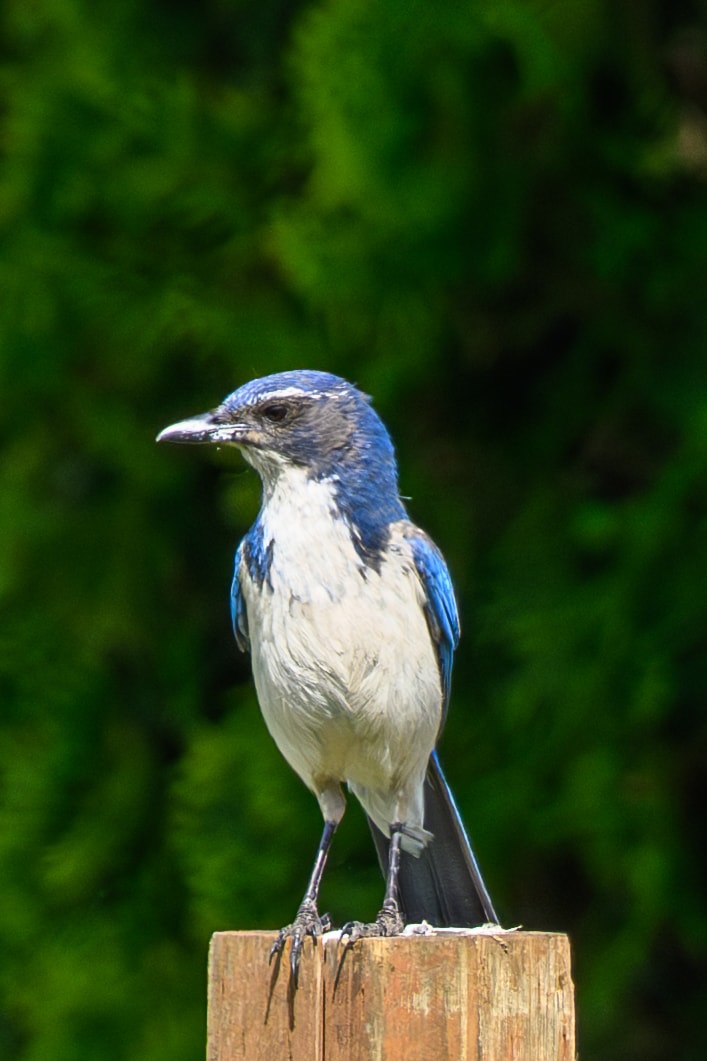
California Scrub-Jay

California Scrub-Jay

Aphelocoma californica

Been seeing this fella for a while in our front yard. Fast and hard to pin down for a photo.

Part of the Corvid family and smart as hell. They bury thousands of acorns every fall and remember most of them. The ones they forget become trees.

Nikon Z8 · 180-600mm @ 600mm · 1/1250 · f/7.1 · ISO 1800

Oregon City
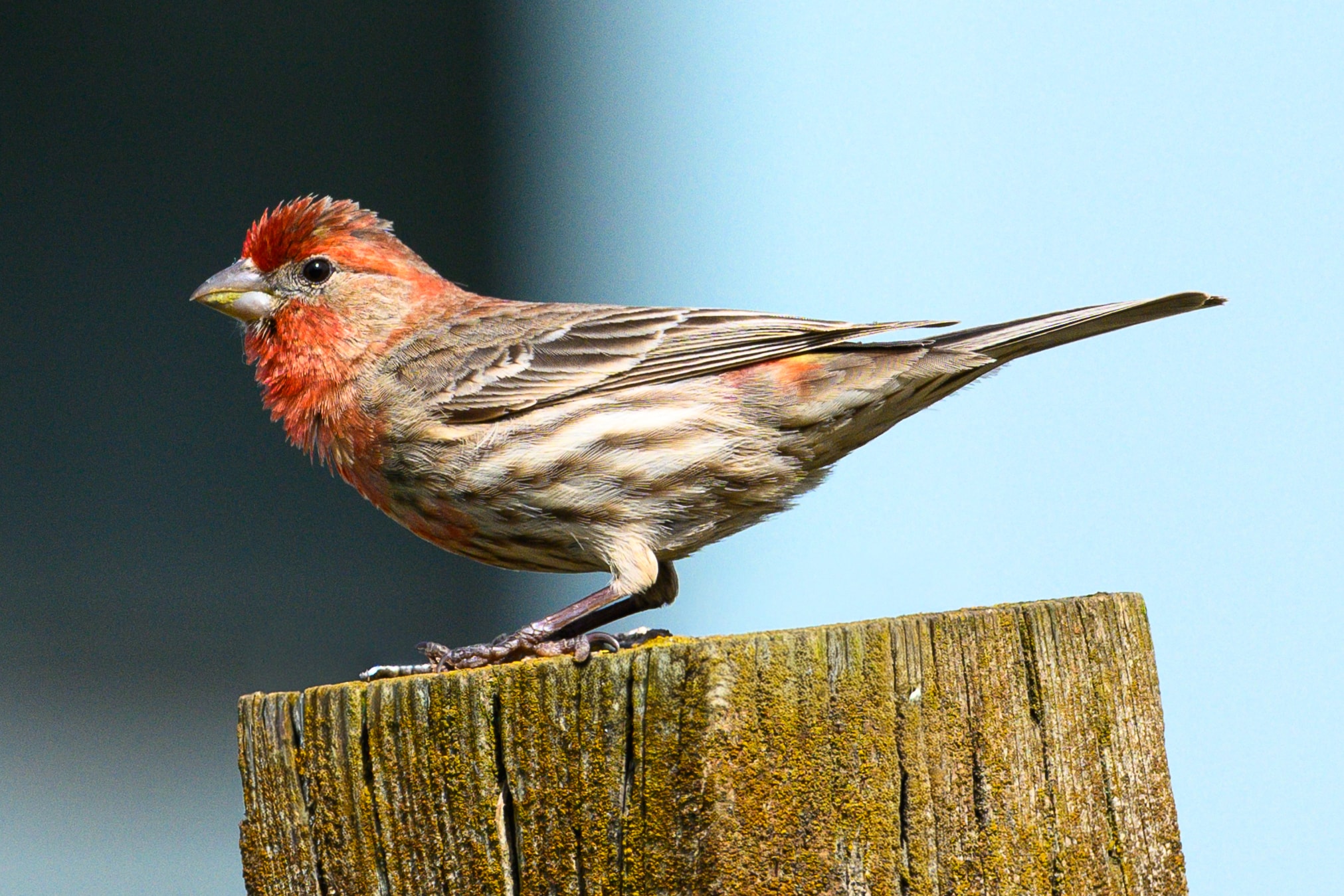
Male House Finch

Male House Finch

Haemorhous mexicanus

Loved this red color in the sun.

That red comes from diet and better food makes redder feathers.

Nikon Z8 · 180-600mm @ 600mm · 1/1250 · f/7.1 · ISO 450

Oregon City
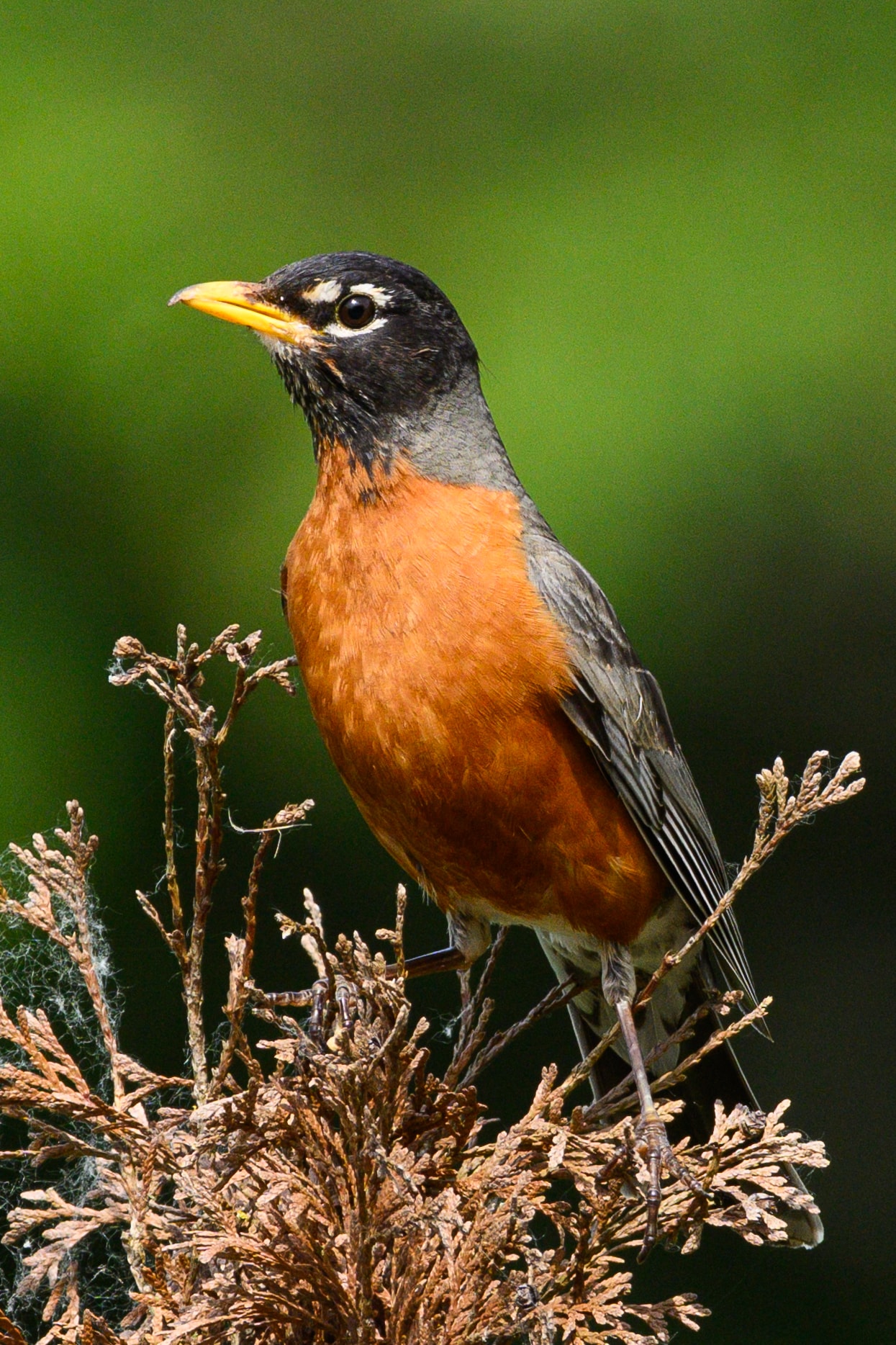
American Robin

American Robin

Turdus migratorius

We have a ton of these in our yard so I figured it should get a post.

The state bird of Connecticut, Michigan, and Wisconsin. Also one of the first songbirds to sing each morning and often starting before sunrise, which is why "the early bird gets the worm" exists as a phrase.

Nikon Z8 · 180-600mm @ 600mm · 1/1250 · f/7.1 · ISO 900

Oregon City
January 2026
Red-breasted Sapsucker+1

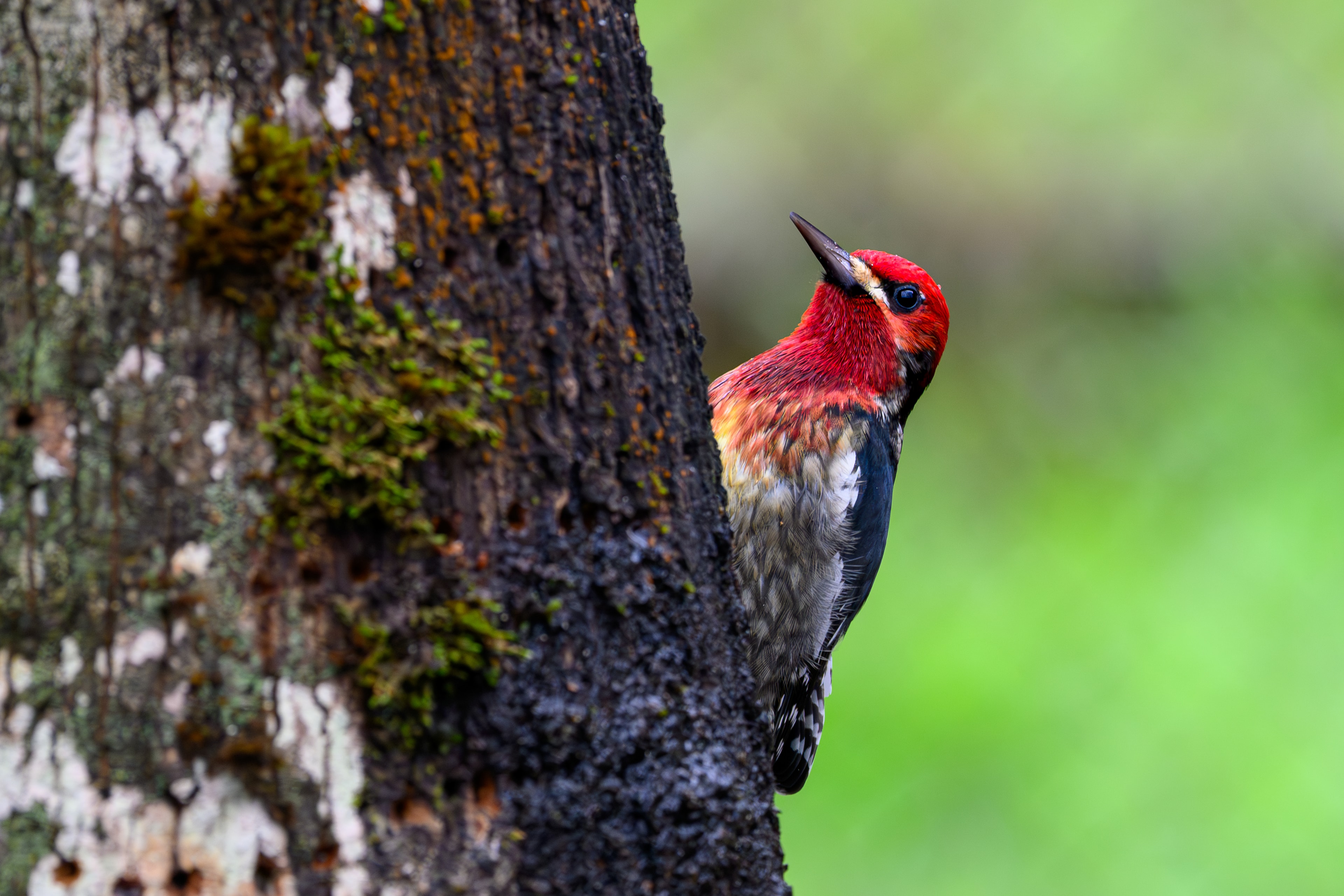
Red-breasted Sapsucker

Sphyrapicus ruber

This dude is always pecking on the roof of my office in our back yard. I used to hate him till I got to know him.

These guys apparently drill rows of small holes called sap wells, then come back to feed on both the sap and the insects the wells attract. Hummingbirds and other birds also use the wells — sapsuckers are accidental ecosystem engineers.

Nikon Z8 · 180-600mm @ 600mm · 1/200 · f/6.3 · ISO 400

Oregon City